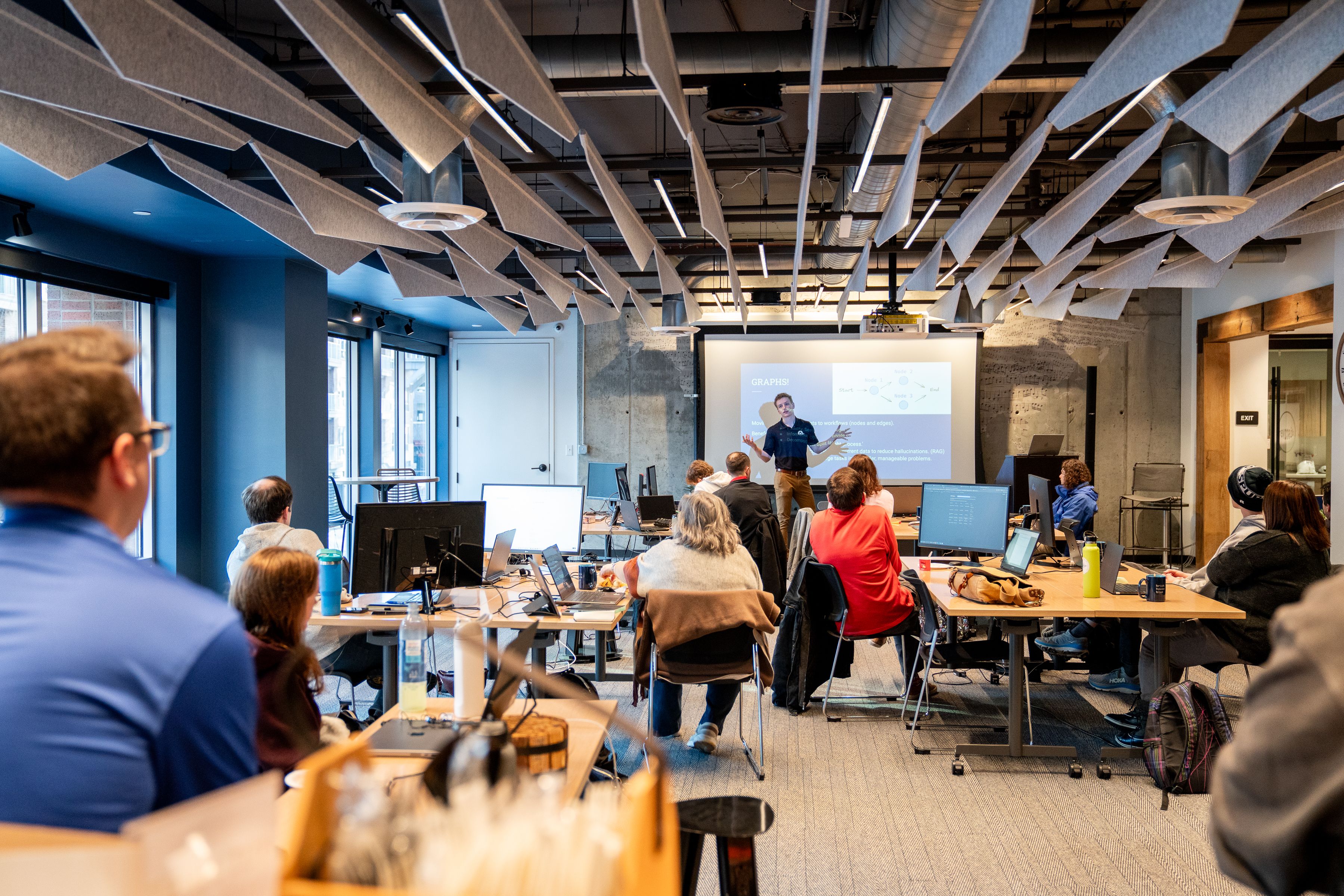
For three days in February, the "business as usual" gears at MoreSteam ground to an intentional halt. We didn’t stop because things were broken; we stopped to discover what we hadn’t yet imagined. While support tickets were still answered and systems stayed live, our developers stepped away from their regular work to embrace a different assignment: experimentation.
There were no looming deadlines, no rigid feature sets, and no expectation that a single line of code would ship. Since 2018, we’ve held an annual hackathon to give our team the one thing the daily grind usually lacks: uninterrupted time. We teach Continuous Improvement (CI) to the world, but the hackathon is one place where we turn that lens inward. It’s an opportunity to be curious, try things that might fail, and prove a core CI tenet: sometimes the most meaningful improvements can come from the freedom to experiment.
A Different Kind of Work
A traditional hackathon is often a competition, where teams race to produce working software by the end of the event. MoreSteam’s hackathon is closer to a learning lab. Instead of racing toward a deadline, our developers form small teams to follow their curiosity, exploring tools and approaches that fall outside their typical daily tasks. The success of a project isn’t measured by whether it's "finished," but by the insight the team gains along the way. In this environment, an experiment that doesn't work is just as valuable as one that does.
In our day-to-day operations, efficiency and deliverables are the primary drivers. The hackathon intentionally flips that script, prioritizing exploration over output. The goal isn’t to produce a feature ready for market, but to test an idea just far enough to gain real-world data. It’s a practical application of a principle we teach often: small experiments create knowledge, and knowledge improves systems. This event simply gives our team the breathing room to run those experiments on our own internal processes.
These three days often have a long tail of impact. Many internal tools and improvements we now use every day weren't born on a product roadmap; they were the "happy accidents" of a hackathon project. It’s a reminder that when you give people the space to be curious, they often uncover solutions you didn't even know you were looking for.
Beyond the Hype: Testing AI’s Real-World Utility
This year’s theme was Artificial Intelligence, but we approached it a bit differently than you might think. Instead of asking, “Where can we stick a chatbot?”, our teams asked: “Where does the work actually slow down, and can a tool help us decide or learn faster?” The goal wasn’t to add AI for its own sake, but to discover where it genuinely supports human effort. The results were a fascinating glimpse into the future of how we build and teach:
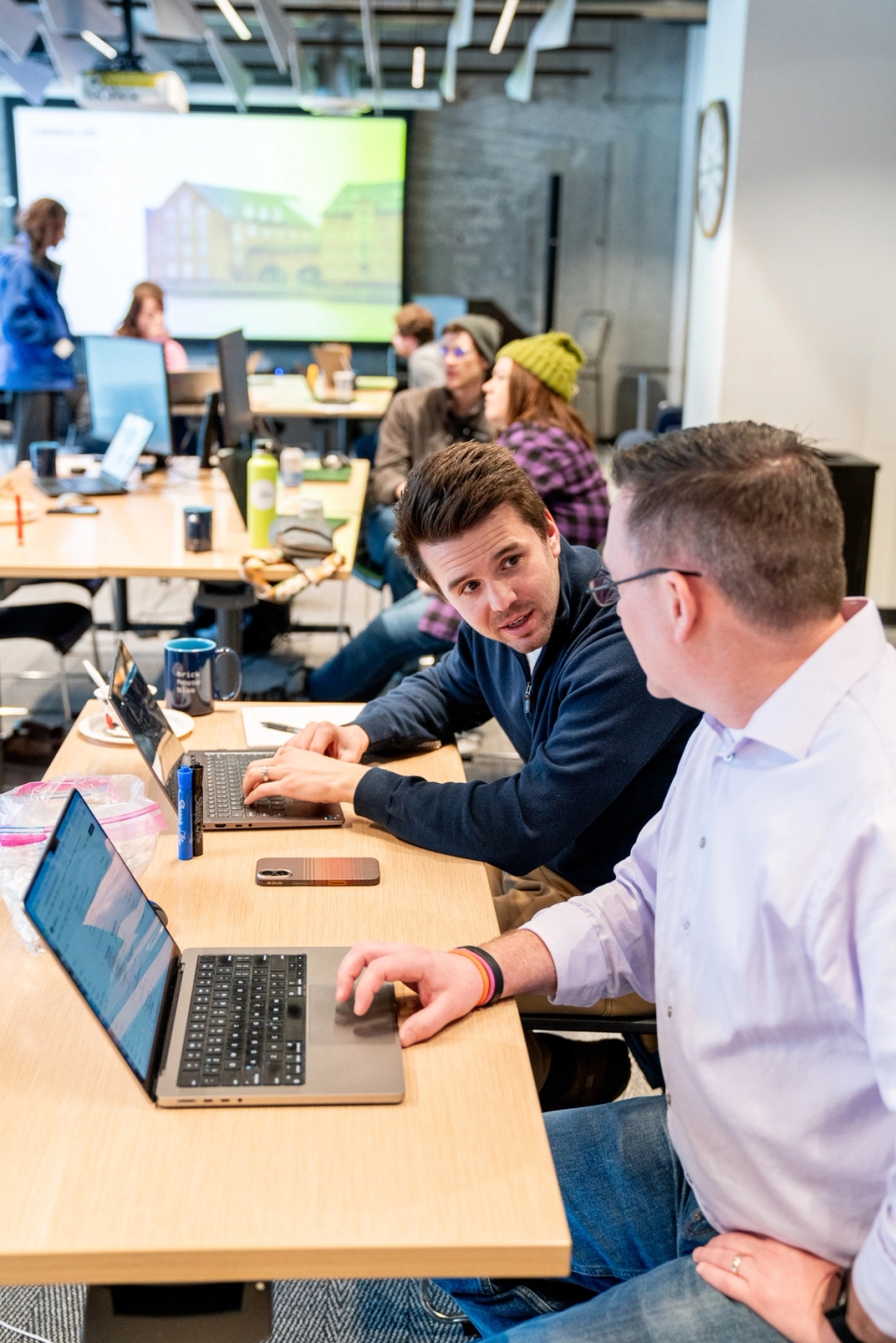
- The Virtual User Tester: One team built AI agents that "see" screenshots to flag confusing layouts or navigation hurdles before a developer even submits their code. This allows us to address friction immediately, rather than waiting for feedback on a finished product.
- Turning Data into Dialogue: Another group used AI to scan technical histories and automatically translate them into human-readable release notes. This allows our developers to spend less time documenting the past and more time building the future.
- Adaptive Learning Experiences: Since education is at our core, one team explored how AI can create a truly personalized classroom by prototyping a system that dynamically adjusts lesson content, examples, and pacing based on an individual learner’s performance.
- Automated Quality & Insight: We also looked at how AI can act as a high-speed mentor for our internal processes, using an agent to provide automated code reviews based on our quality standards. This was paired with a new dashboard that tracks team effectiveness metrics, potentially allowing us to have much more meaningful, data-driven conversations during our sprint retrospectives.
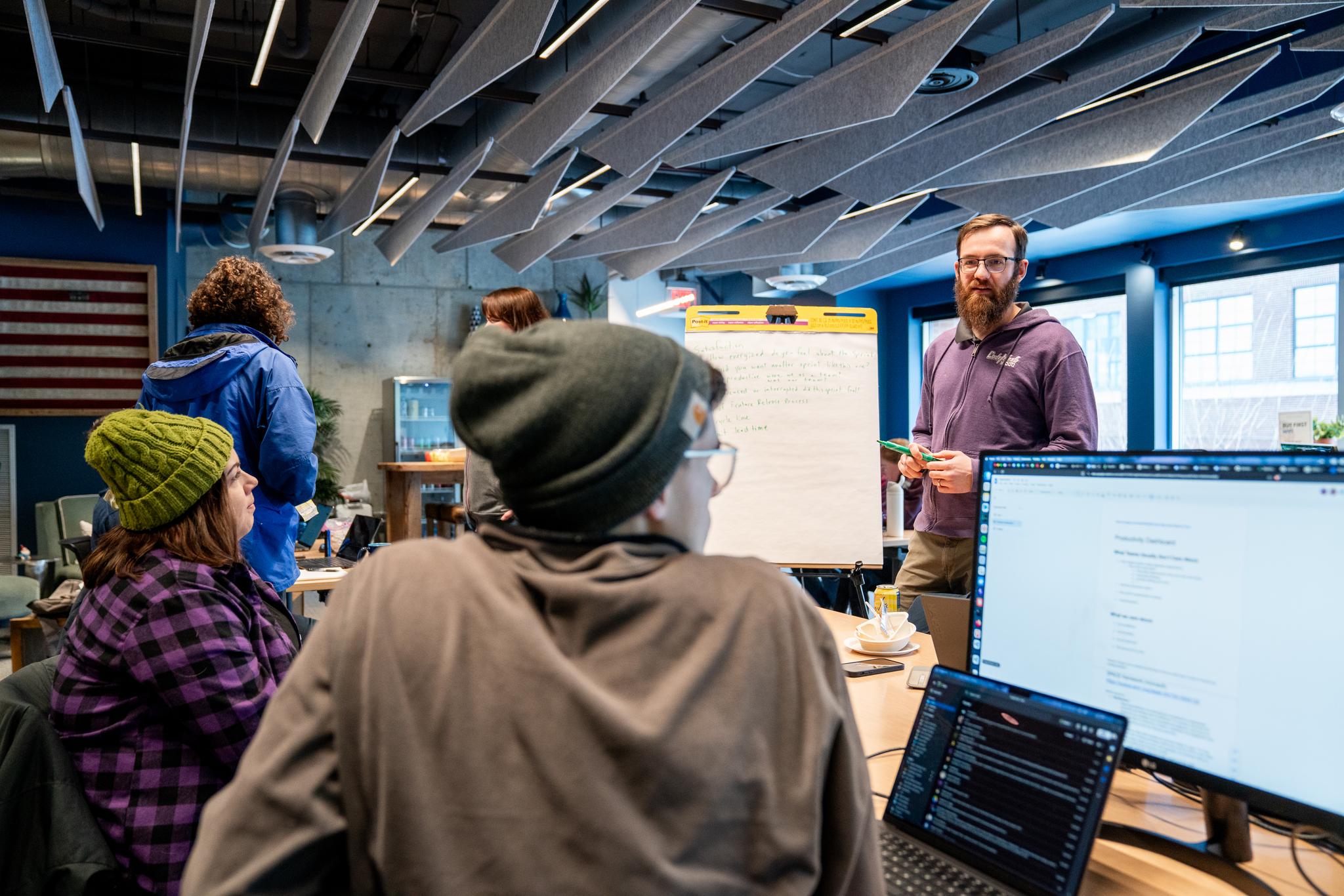
In continuous improvement, one goal of an experiment is to validate our direction before we commit resources to it. Whether a project succeeds or fails, it provides the clarity we need to make better decisions for our customers. This internal exploration is how we keep our quality high and our long-term strategy grounded in reality.
Permission to Fail
One of the most valuable aspects of the hackathon is something that sounds counterintuitive: projects are allowed to fail. Not every prototype becomes a product, and most shouldn’t. The point isn’t to prove an idea works, but to find out whether it works early, when the cost of learning is small.
Unsuccessful experiments still move us forward because they clarify what not to build, which is often just as important as discovering what to build next. In continuous improvement, learning cycles matter more than perfect plans. A three-day experiment can prevent months of development in the wrong direction, and it gives people the confidence to ask better questions the next time.
Why We Share the Results
While the developers were heads-down in their experiments, we made sure the rest of the organization wasn't left on the sidelines. We paused regularly for short talks that opened the floor to everyone, ranging from practical AI applications to the philosophy of leadership. One of the highlights was a panel featuring voices from Sales, Marketing, and Development, where they shared the creative ways they are already using AI to streamline their daily work. It wasn't just a theoretical discussion, it was a practical look at what tools are actually helping us move faster.
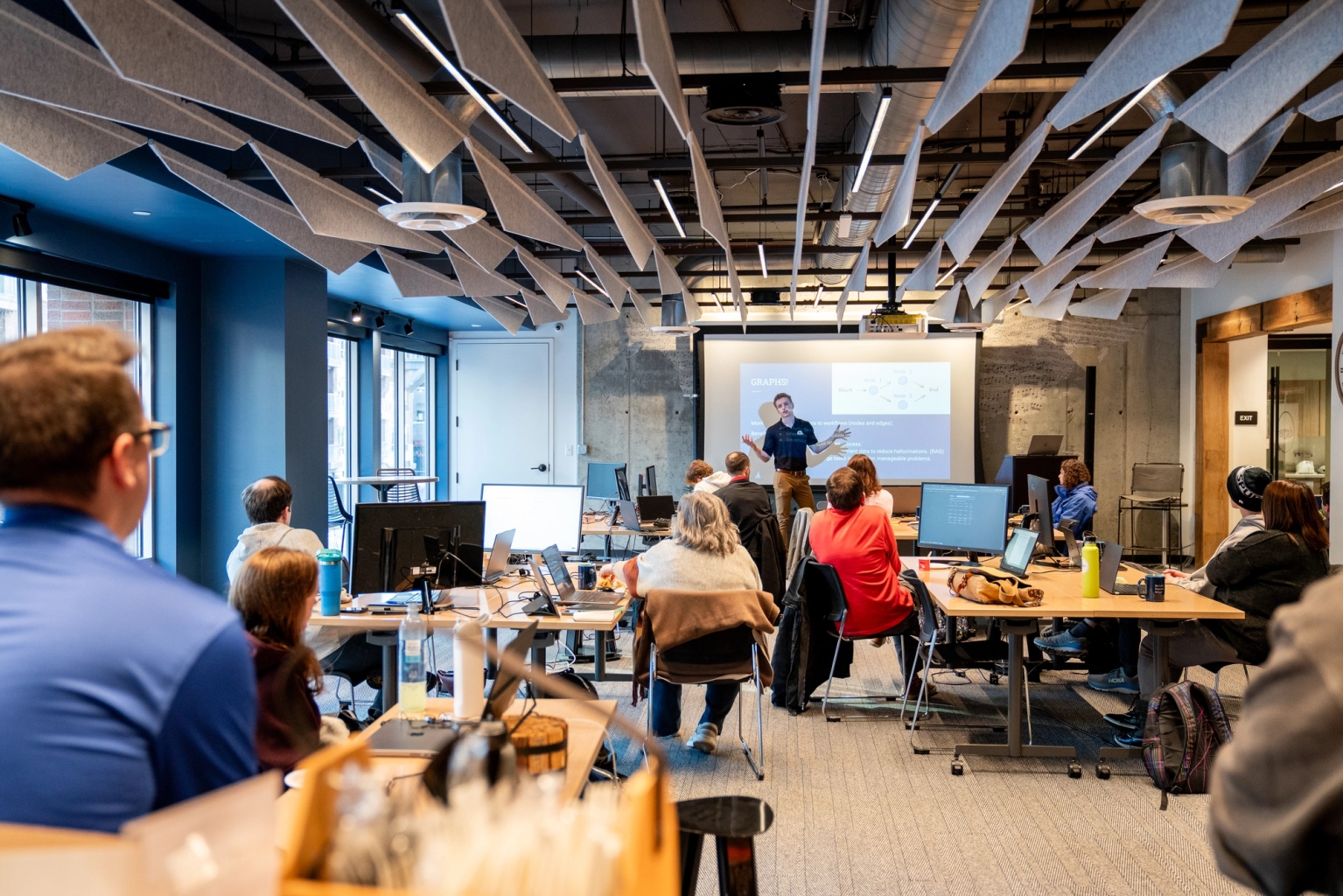
We also took some deep dives into the "next frontier" of development, exploring concepts like systems where multiple AI agents coordinate complex tasks or new workflows that generate implementation plans before a developer even touches the keyboard. But the hackathon isn't just about the technology, it’s also about our culture. One session focused on the idea that leadership and influence aren't tied to formal titles, but rather to the initiative and expertise people bring to the table.
This spirit of collaboration culminates at the end of the week, when every team presents their projects to the entire company. By showing the whole organization what was explored, including those ideas that didn't quite work, we maintain a level of transparency that keeps us aligned. It ensures that all of our teams are never disconnected from the work happening behind the scenes. The hackathon may center on the developers, but the "shared wisdom" that comes out of it belongs to everyone.
Why This Matters to MoreSteam Customers
There’s a practical reason we invest time in this. The same people who support customers are the ones who design and build the tools. When someone calls or emails MoreSteam, they aren’t separated from development by layers of communication; the builders are accessible.
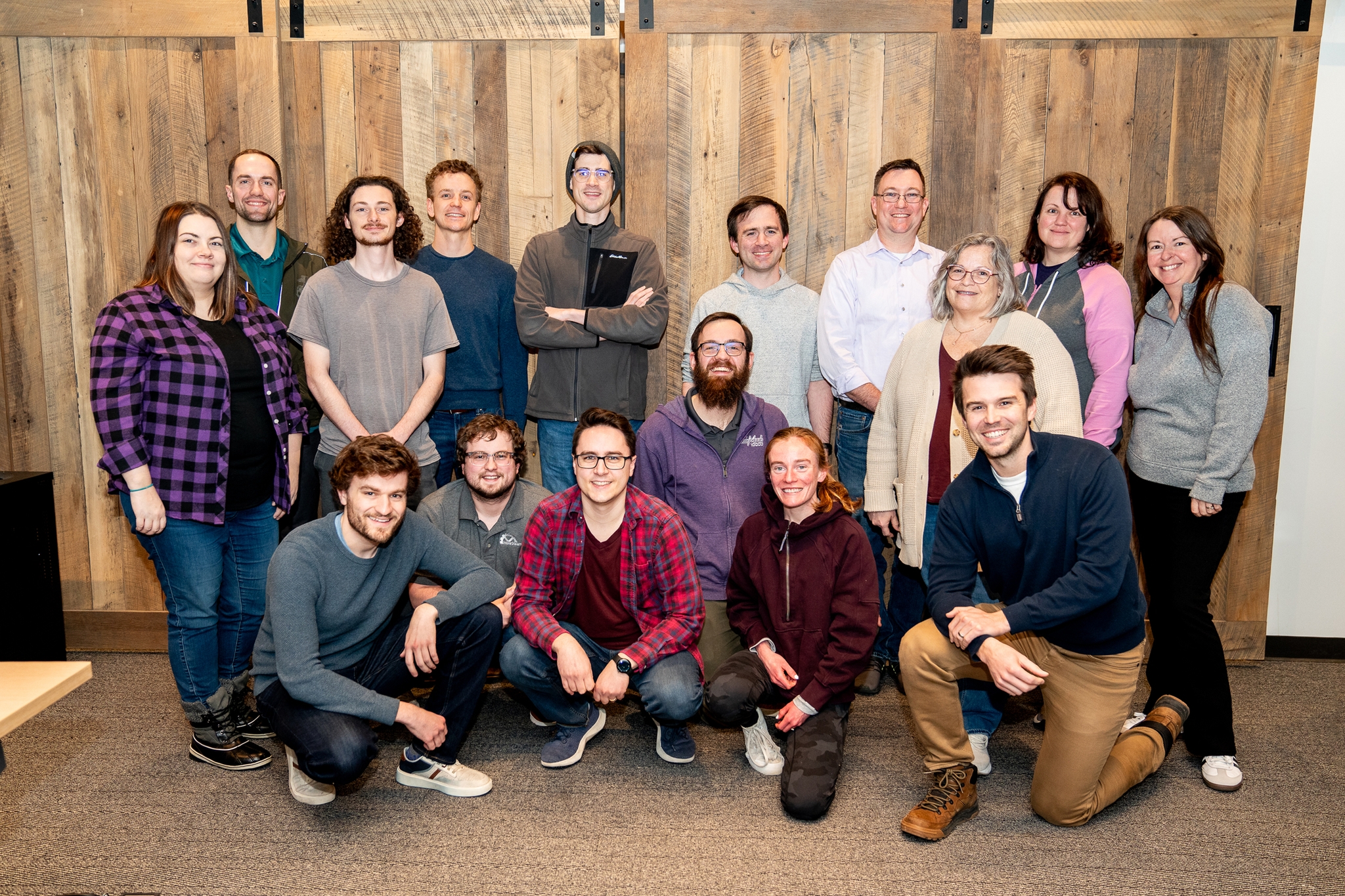
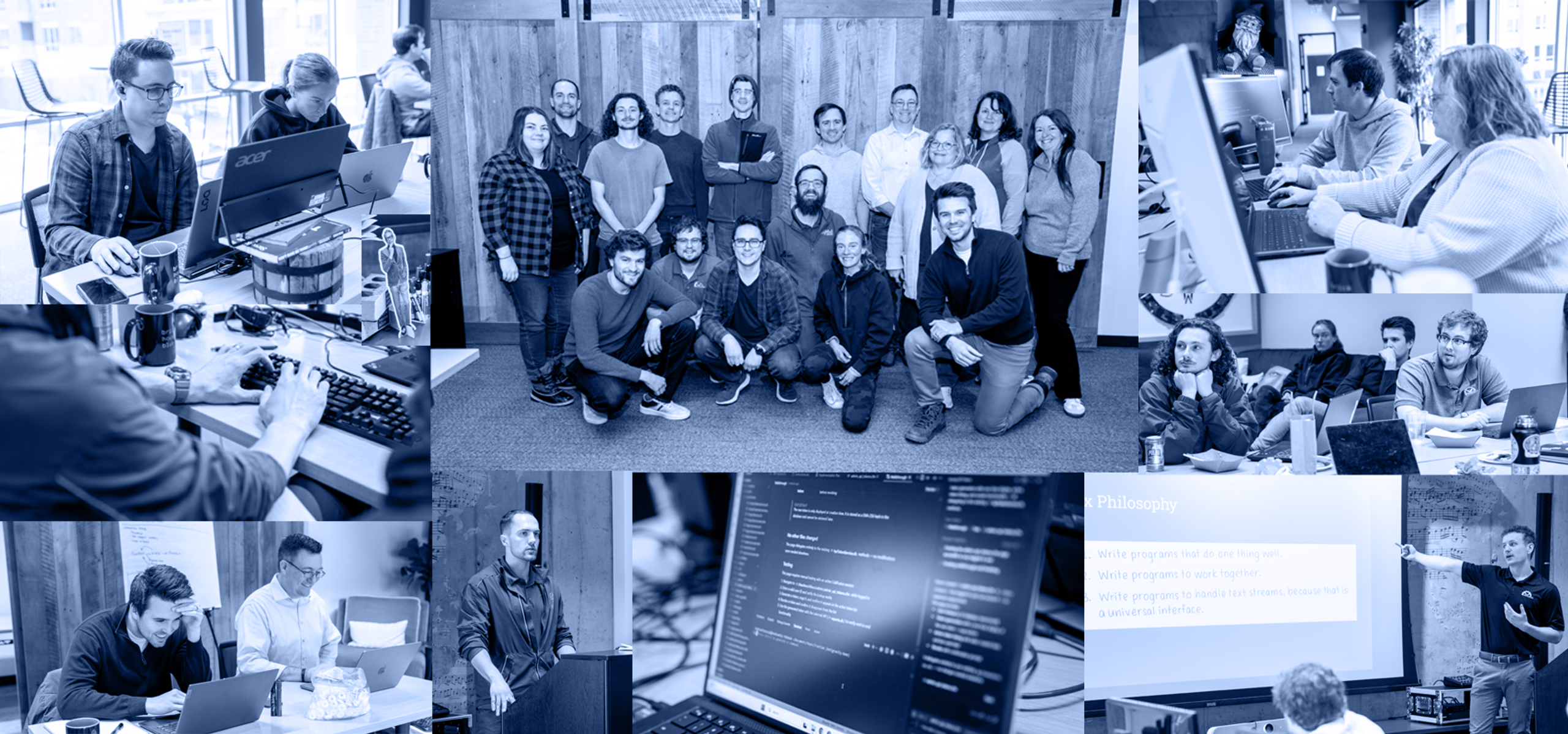
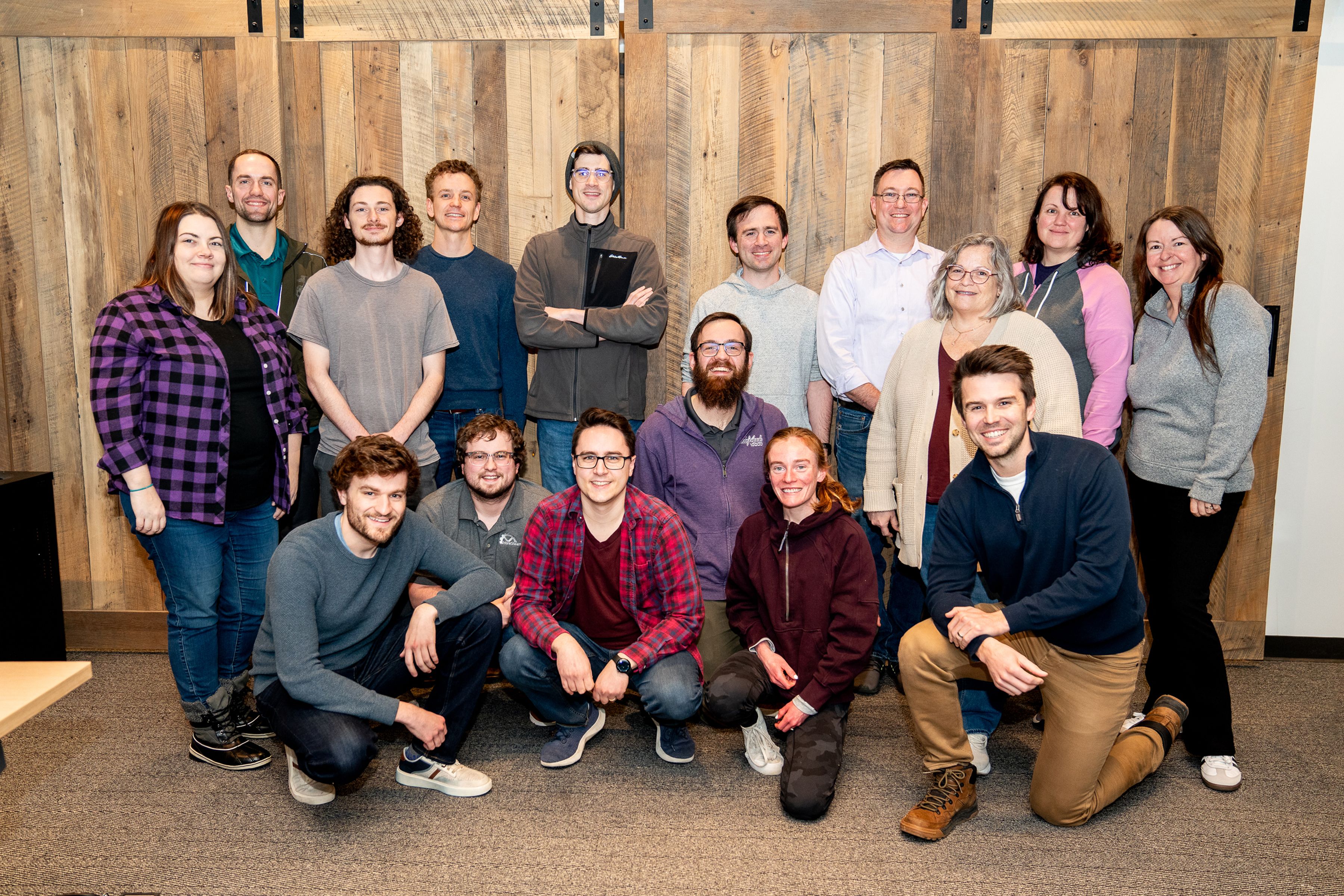
MoreSteam's Developers at our 2026 Hackathon
The hackathon gives our team space to grow their skills, test ideas safely, and explore new technologies before customers depend on them. When improvements eventually appear in our software or courses, they’re grounded in experience rather than speculation. What may look like three days away from normal work is actually part of how we protect the quality of the systems our customers rely on.
Continuous Improvement Is a Behavior
We often teach that continuous improvement isn’t just a toolkit; it’s a habit. The hackathon is one of the ways we try to practice what we preach, giving our team time to reflect, experiment, and improve how we work, not just what we build. Each year it changes our thinking a little, even if no single project becomes a product. The real outcome isn’t a feature or a tool. It’s a better way of working and a team that never stops learning.